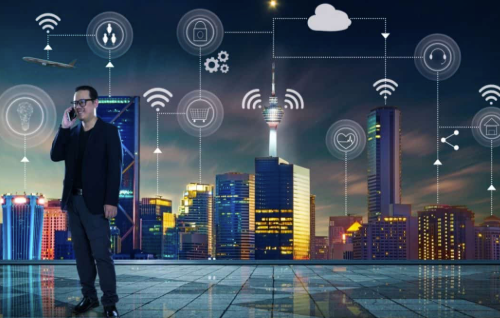
The evolution of wireless communication networks is marked by significant advancements, particularly with 5G technology. This transition promises enhanced connectivity and efficiency for smart devices. However, as the industry approaches the conceptualization of 6G, various challenges arise, including spectrum scarcity and cybersecurity threats. Understanding these dynamics is essential for grasping the potential applications that may redefine daily life and urban environments. What implications might these developments hold for future connectivity?
The Impact of 5G Technology on Connectivity
As the deployment of 5G technology accelerates, its impact on connectivity becomes increasingly evident.
The advancements in latency reduction facilitate real-time communication, enhancing user experiences across various applications.
Moreover, improved network reliability ensures consistent performance, vital for both personal and professional use.
This transformative technology empowers individuals and organizations, fostering an environment where seamless connectivity is not merely a luxury but a fundamental right.
Exploring the Potential of 6G Networks?
While the transition from 5G to 6G networks is still in its conceptual stages, the potential implications of this next-generation technology are already garnering significant attention from researchers and industry experts.
The anticipated 6G capabilities promise ultra-low latency and enhanced connectivity, necessitating advanced 6G infrastructure.
This evolution could revolutionize applications such as autonomous systems, smart cities, and immersive virtual experiences, fostering unprecedented freedom in communication.
See also: bollyblindsngossip
Key Challenges in Advancing Wireless Communication
The advancement of wireless communication faces several key challenges that must be addressed to realize the full potential of emerging technologies.
Spectrum scarcity imposes significant limitations on network capacity, hindering efficient data transmission.
Additionally, security concerns persist as the complexity of networks increases, making them more vulnerable to cyber threats.
Addressing these issues is crucial for fostering innovation and ensuring robust, reliable communication systems.
Future Applications of Wireless Networks in Daily Life
How might future wireless networks transform daily life? Enhanced connectivity will enable seamless integration of smart homes, where devices communicate autonomously to optimize energy usage and security.
Furthermore, connected vehicles will leverage real-time data to improve navigation, safety, and traffic management.
This evolution fosters a more efficient lifestyle, granting individuals greater control over their environments while promoting sustainability and innovation in urban planning.
Conclusion
In conclusion, the future of wireless communication networks stands at the precipice of a new era, driven by 5G advancements and the promising potential of 6G. While challenges such as spectrum scarcity and security loom large, the transformative impact on connectivity and daily life cannot be overstated. As these technologies continue to evolve, stakeholders must ensure that they navigate the complexities adeptly, recognizing that addressing these issues head-on will pave the way for sustainable innovation.